Detecting fluctuations in Trust Wallet’s network fees Understanding Trust Wallet Gas Fee Spikes
Crypto users often panic when transaction costs suddenly jump. Trust Wallet network fees are not fixed; they fluctuate based on blockchain congestion and miner priority. Recognizing these patterns helps you save money and avoid failed transactions during peak hours.
Ethereum and BSC chains experience varying traffic throughout the day. When many users trade simultaneously,gas prices surge. This is normal market behavior. You can monitor live fee estimates within the app before confirming any swap or transfer to ensure your budget remains intact.
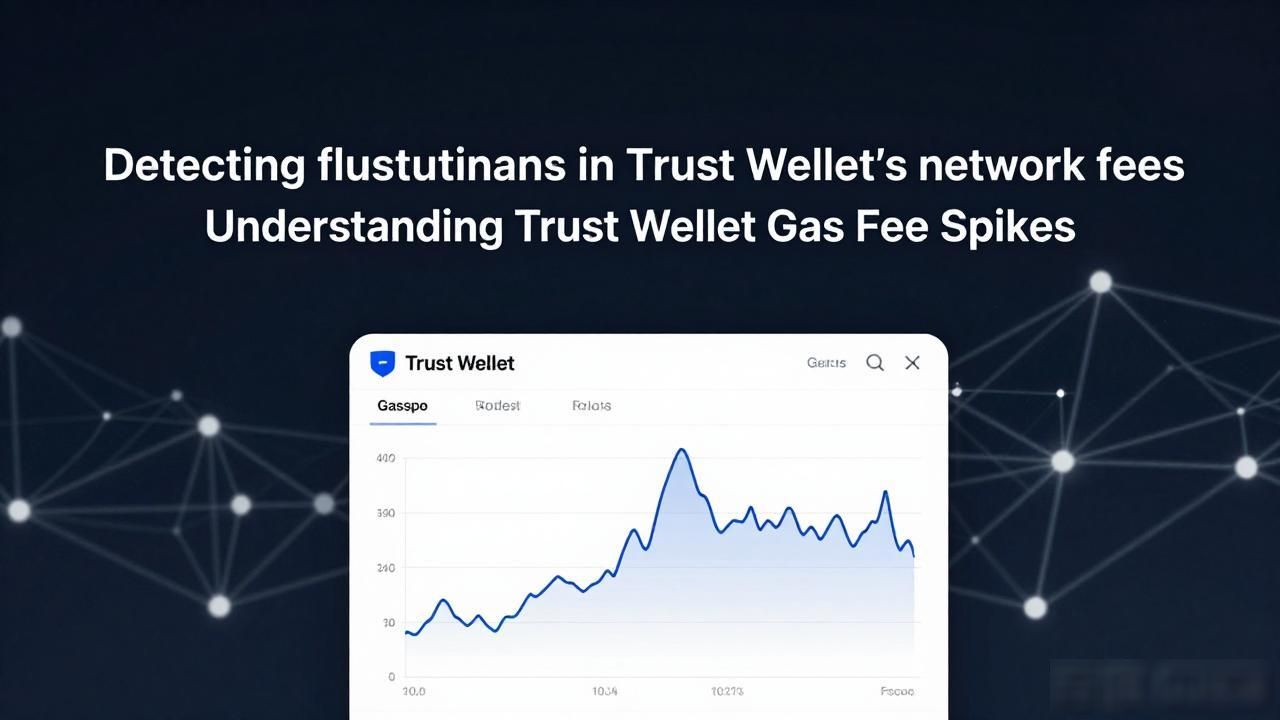
Timing matters significantly when executing trades. Avoid transacting during major market volatility or popular NFT drops. Network congestion directly drives up costs. Waiting for off-peak hoursDetecting fluctuations in Trust Wallet’s network feesDetecting fluctuations in Trust Wallet’s network fees Understanding Trust Wallet Gas Fee Spikes, such as weekends or late nights in UTC,often results in substantially lower fees for the same operation.
Using limit orders or batching transactions can mitigate high costs. Some dApps allow you to set maximum slippage and fee caps. This prevents accidental overpayment. Always check the estimated gas price displayed right before signing, as it reflects real-time conditions more accurately than historical averages.
Staying informed about broader crypto trends aids decision-making. Major protocol upgrades or regulatory news can impact chain activity. Fee estimation tools integrated into wallets provide a quick snapshot of current costs. Regularly reviewing these metrics builds intuition for when to move funds efficiently and economically.