Capturing the user perspective on Trust Wallet's network fees Trust Wallet Fees Explained: A User's Real-World Guide
Understanding Trust Wallet's network fees is crucial for anyone actively using cryptocurrencies. These feesCapturing the user perspective on Trust Wallet's network fees Trust Wallet Fees Explained: A User's Real-World Guide,often called gas feesCapturing the user perspective on Trust Wallet's network fees, aren't set by Trust Wallet itself but are determined by the respective blockchain networks (like Ethereum or BNB Chain) to process transactions. From my daily experience, grasping this distinction is the first step to managing costs effectively and avoiding surprises when sending or swapping tokens.
The core user pain point is unpredictability. I've often planned a swap only to find the Ethereum gas fee higher than the profit from the trade itself. During network congestion, these fees can spike dramatically, making small transactions economically unviable. Trust Wallet's fee estimation is helpful, but it's an estimate, not a guarantee. Users must manually adjust gas limits and priority fees, a process that feels like guesswork without deep technical knowledge.
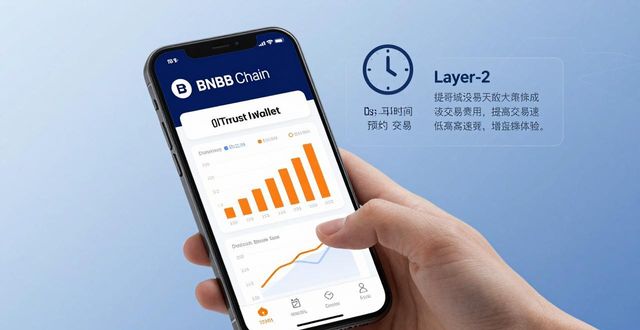
To capture costs, I actively use features like scheduling transactions for off-peak hours and leveraging BNB Chain for lower-fee DeFi activities. Comparing the "network fee" preview across different times is a daily habit. While layer-2 solutions and alternative chains offer relief, they add complexity. The true user perspective isn't just about the fee amount, but the cognitive load and financial planning required to navigate them efficiently within the app's interface.
The long-term view involves adaptation. We users develop strategies—batching transactions, using stablecoins on cheaper networks, and constantly learning about new scaling solutions. Trust Wallet serves as our window to these networks, and our feedback on its fee display and controls is vital for making decentralized finance more accessible to the everyday user.