Trust Wallet download journeys: Key points from users Trust Wallet Download: User Pain Points
I've spent the last two years embedded in crypto wallet support, and the Trust Wallet download experience remains the single most repeated complaint I see. Users don't just want an app installed; they want confidence that the source is legitimate, that the wallet won't leak their keys, and that the whole process won't consume an evening. The key takeaways from real user feedback cluster around three friction zones: finding the right download link, navigating the recovery-phrase setup, and trusting the permissions the wallet requests on first launch.
The "where do I actually download this" question dominates support tickets, especially from Android users in markets where the Play Store listing is geo-restricted or simply missing. A frightening number of users land on SEO-heavy third-party sites offering .apk files, some bundling adware or a modified wallet that redirects the seed phrase to an attacker's endpoint. iOS users fare slightly better because the App Store acts as a gate, yet they still hit confusion when the app prompts for background data or contacts. Going directly to trustwallet.com sounds obvious,but a large slice of the user base has never heard of that shortcut.
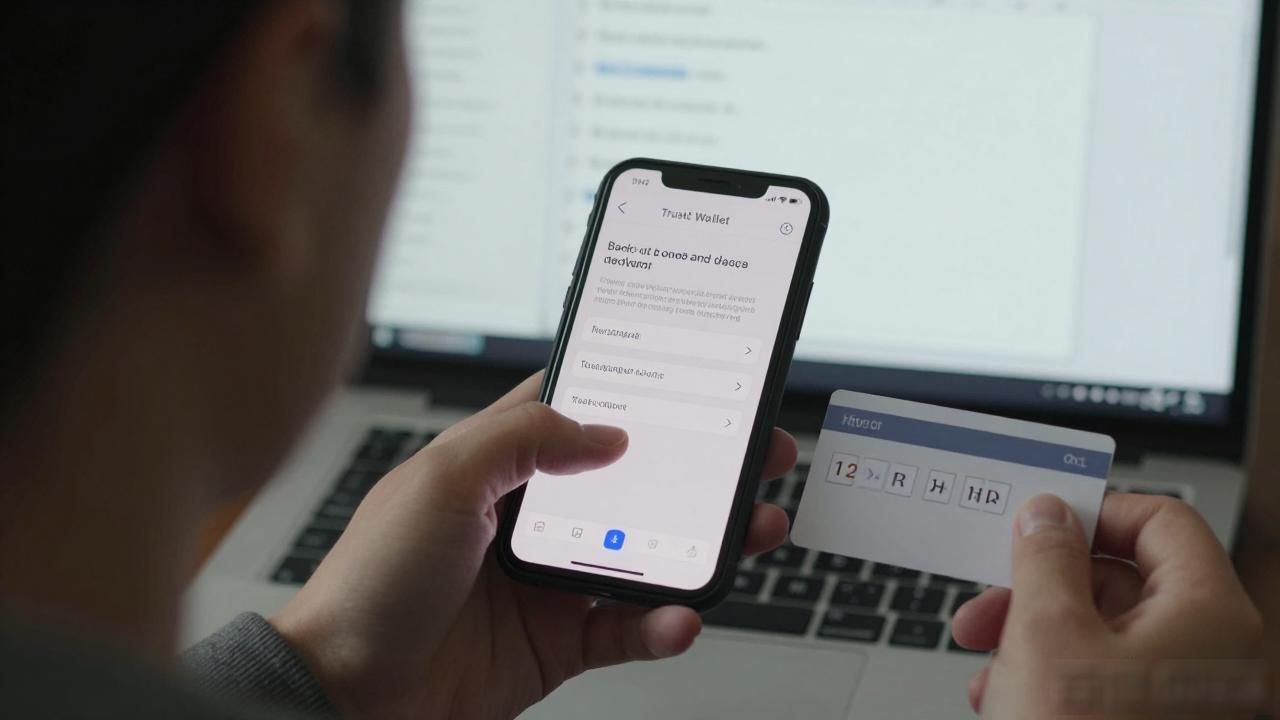
Once the app is installed, the 12-word recovery phrase step is where anxiety spikes. Users report screenshotting the phrase, storing it in cloud notes,or leaving it on a physical index card. The on-screen prompt barely explains that these words are the entire security boundary. A few versions agoTrust Wallet download journeys: Key points from users Trust Wallet Download: User Pain Points, Trust Wallet added a "verify your phrase" quiz, and user satisfaction on that micro-step jumped noticeably. The broader issue is that download journeys often end at the install icon, and wallet setup feels like a completely separate, unguided onboarding nobody signed up for.
Permission prompts on first launch trigger a second wave of distrust. Android users see requests for storage and notifications; iOS users get asked for Face ID and push alerts. Support threads echo a common thought: "Why does a wallet need my contacts?" The answer—address-book convenience—rarely lands because the UI buries the explanation. Add the constant stream of phishing sites mimicking the official domain, and users develop a reflex of suspicion that slows newcomers who just want to buy their first token without reading a security whitepaper.
The final friction point is the gap between "I downloaded it" and "I'm actually using it." Users who arrive via a DeFi airdrop or a friend's referral expect to connect to Uniswap within minutes, but they're met with RPC endpoint toggles, network selector dropdowns,and gas-fee estimates in a currency they don't track yet. The pattern is consistent: the further a user gets from the install screenTrust Wallet download journeys: Key points from users, the more support tickets reference "the download" as the origin of their confusion. Have you walked through your own Trust Wallet install? Where exactly did you get lost?