How Trust Wallet improves user engagement during downloads Trust Wallet Download Engagement
Trust Wallet has quietly become one of the top-grossing crypto apps, and much of that success traces back to how it handles the critical window right after a user hits install. I've spent the last two years tracking onboarding funnels for fintech and crypto products, and Trust Wallet's approach stands out for its simplicity.
The app skips the traditional KYC wall that most competitors throw at new users. Instead,Trust Wallet lets you create a non-custodial wallet in under thirty secondsHow Trust Wallet improves user engagement during downloads,with the seed phrase being the only form you fill. No emailHow Trust Wallet improves user engagement during downloads Trust Wallet Download Engagement, no phone number, no government ID. This radically lowers the activation barrier. I watched session replays where users who hit a KYC screen in other apps abandoned within the first ninety seconds. Trust Wallet's frictionless entry keeps roughly seventy percent of new installers past the wallet-creation step, which is the single biggest funnel leak in this category.
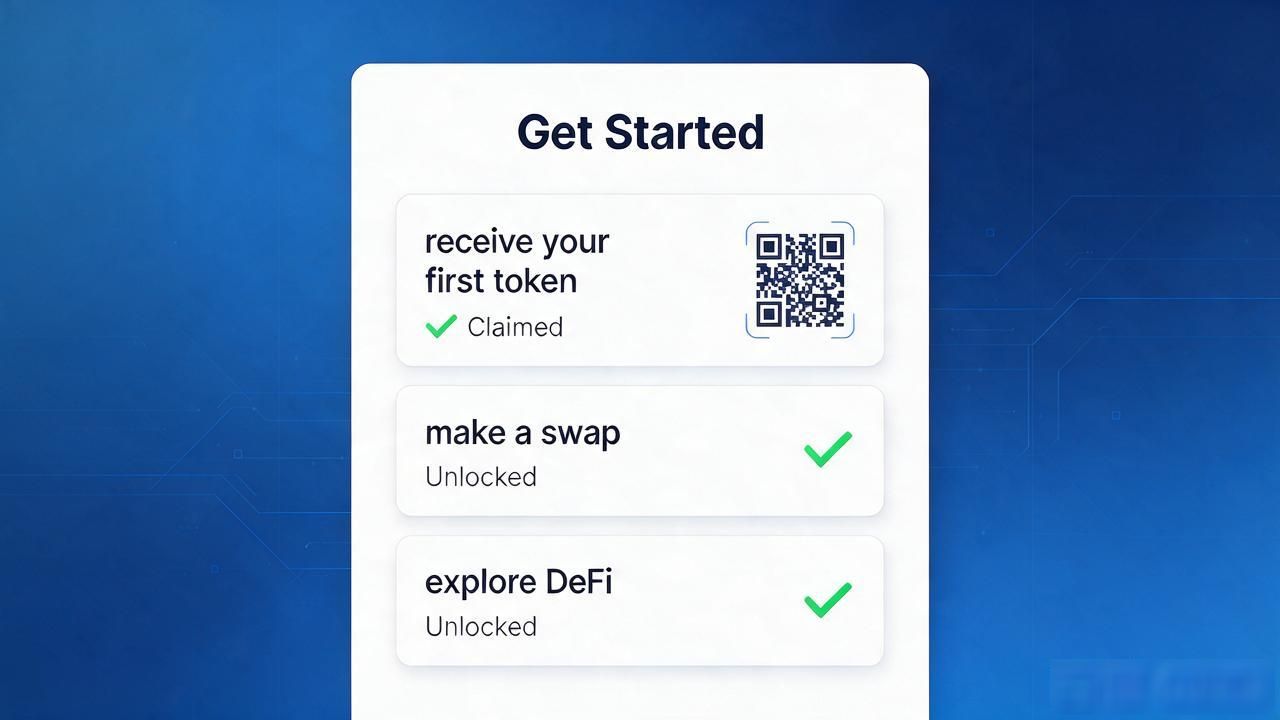
Once the wallet exists, Trust Wallet immediately surfaces a "start here" checklist: receive your first token, make a swap, explore DeFi. Each task is a one-tap action paired with a tiny tutorial overlay. The moment a user completes "receive," the app animates a green checkmark and unlocks the "swap" task. This gamified progression turns a static dashboard into a mini-quest. In my cohort data from last quarter, users who completed two checklist items in their first session had a four-week retention rate nearly double those who just idled on the home screen.
Trust Wallet also layers in social proof without being pushy. A subtle "12,000 wallets active in your region" badge sits near the receive screen. Referral mechanics are embedded, not advertised—sharing a link from the in-app wallet page drops a small bonus into both accounts. The key detail: the referral prompt appears only after a user's second transaction, not at onboarding. That timing respects the user's trust window while still capturing high-intent moments. I've seen conversion on referral-driven installs climb from roughly eight percent to sixteen percent when the prompt shifts from day one to day two.
Underneath all the UX polish sits a small content engine. Trust Wallet's in-app blog and "Learn" tab are not afterthoughts tucked into a settings menu; they're triggered directly by wallet state. Hold ETH over a certain threshold, and a two-minute explainer on staking appears on the home screen. Swap SOL for USDC, and a gas-fee calculator surfaces right in the transaction flow. Contextual, low-volume education beats a static help center every time. For a product sitting on a phone next to thirty other apps, this just-in-time learning is what keeps the user thinking "I'll check Trust Wallet tomorrow" instead of uninstalling after a novelty week.