Review and reflect: Trust Wallet downloads redefined Trust Wallet Redefines Downloads
When I first encountered Trust Wallet back in 2018,it was just another option in the Binance ecosystem — a simple mobile app for holding a few tokens. TodayReview and reflect: Trust Wallet downloads redefined Trust Wallet Redefines Downloads, the landscape looks entirely different. Trust Wallet has become a multi-platform identity layer that blurs the line between a "download" and a persistent, cross-device toolkit. The phrase "downloads redefined" isn't marketing fluff; it reflects a genuine architectural shift in how users acquire, access, and interact with self-custody tools. What used to be a one-time install from an app store is now a living ecosystem that adapts to wherever your on-chain life happens.
The redefinition kicked off with Trust Wallet's expansion well beyond iOS and Android, reaching into browser extensions, desktop clients, and native Web3 dApp integrations. A user can now "download" Trust Wallet as a Chrome extension, as a progressive web app, or through in-protocol onboarding inside a decentralized exchange. The install friction has genuinely collapsed. Instead of a single binary you tuck onto a phone home screen, you get context-aware access points that meet you inside whatever application you're already using — a trading terminal, a social dApp, or a DeFi dashboard.
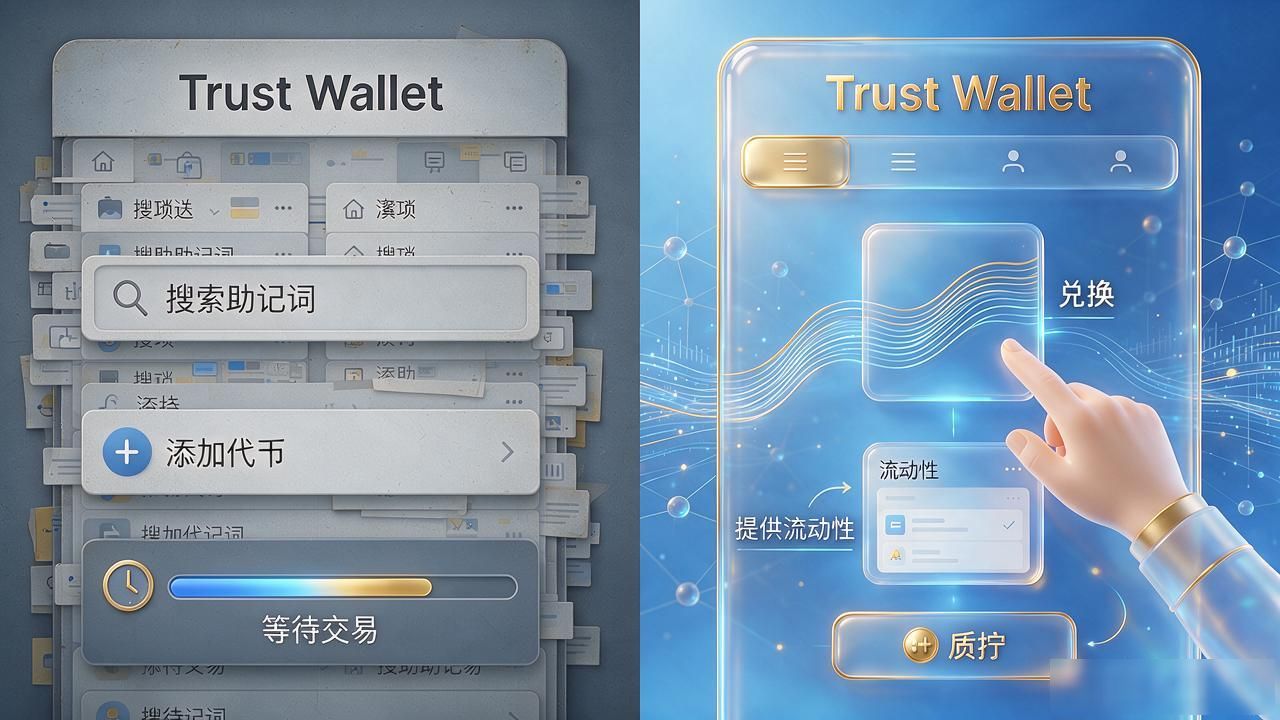
What strikes me most is how the setup moment changed. Previously, downloading meant generating a seed phrase, adding tokens, and waiting for the next transaction. Now, Trust Wallet embeds itself into DeFi workflows — you swap, provide liquidity, and stake without leaving the wallet interface. The download moment is no longer a one-off setup; it's an on-ramp into a full financial toolkit. Retention data from their 2025 developer reports shows sessions shifting from short check-ins to extended multi-protocol interactions averaging over forty minutes.
This ripple effect reshapes how teams measure success. Download counts, once the vanity KPI, have given way to weekly active protocol sessions and cross-chain interaction volume. A user who "downloads" Trust Wallet on their phone,opens it in a browser at work,and connects a hardware device at home has effectively installed it three times — yet no app-store event fires. The metric has become identity continuity across touchpoints. Teams now track something closer to how many distinct protocol surfaces a single identity touches per week.
So here's what keeps me turning this over: if the wallet truly lives wherever you need itReview and reflect: Trust Wallet downloads redefined, does the word "download" even still apply, or are we all just carrying a persistent self-custody layer that was already waiting? I'd love to hear from readers who've moved their entire on-chain life through Trust Wallet — where does it feel most like yours?